Welcome to Black Legacies London
Black Legacies London offers bespoke and regular tours throughout the city, showcasing the rich history and cultural contributions of Black communities in London. Join us for an unforgettable journey through time and heritage.
Black Legacies Tours

Bespoke Tours
Bespoke Tours: Tailored experiences exploring Black legacies in London, designed to match your interests and schedule.
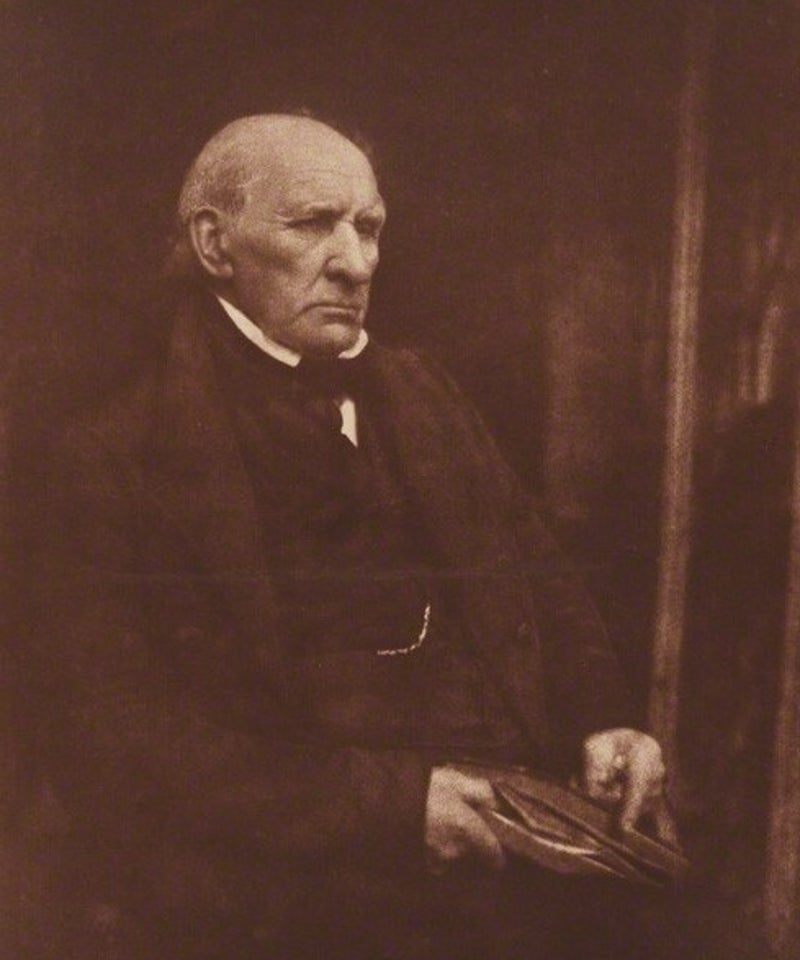
Regular Tours
Regular Tours: Scheduled tours covering significant Black heritage sites in London, offering engaging and educational narratives.
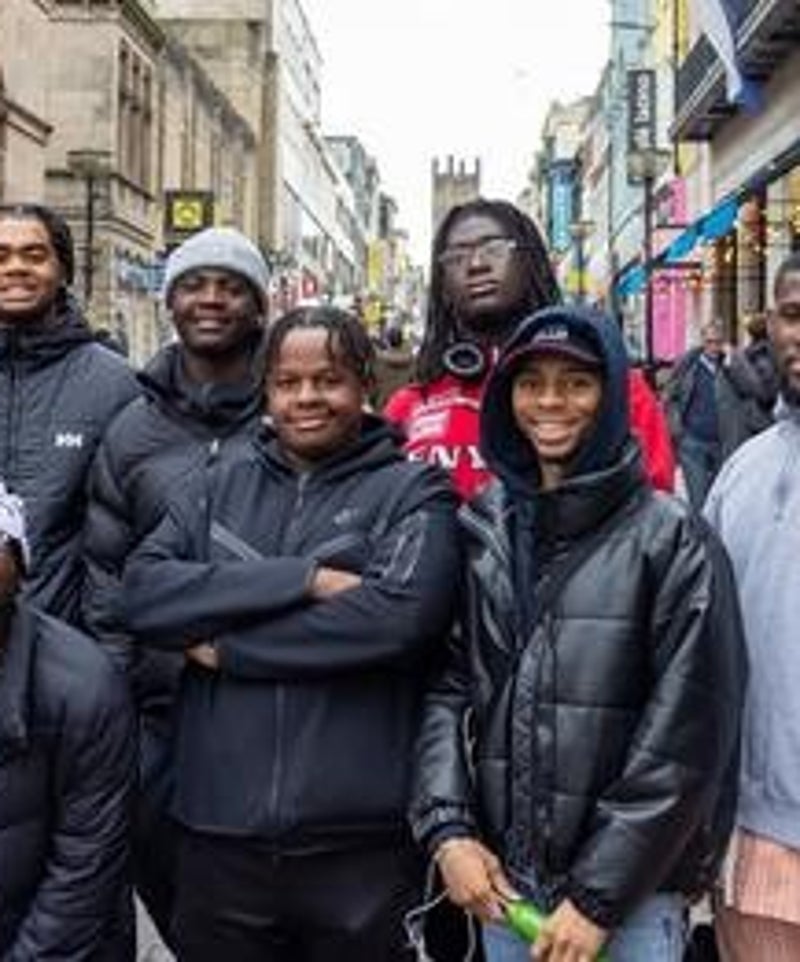
Educational Tours
Educational Tours: Enriching tours for educational groups, focusing on detailed Black history narratives that complement curriculums.

Black Legacies Trail - Westminster
The Black Legacies Trail – Westminster reveals a side of the West End that is rarely acknowledged: a landscape where entertainment, empire, activism, finance, and Black presence have intersected for centuries. This promotional piece presents Westminster not only as a centre of theatre and government, but as a place shaped by global histories and the lives of people of African and Caribbean descent whose stories continue to resonate today.
Black Legacies Trail – Westminster
Westminster’s bright lights and grand boulevards often hide the deeper histories beneath them. The Black Legacies Trail uncovers these layers, guiding visitors through sites connected to creativity, resistance, exploitation, migration, and cultural transformation.
Creativity, Culture, and the Changing West End
The journey begins with the 1961 Piccadilly Circus redesign competition, a moment that symbolised modern London’s reinvention. Nearby, the Lyon Corner House and the former St James’s Hall evoke the era of mass entertainment, including the controversial Moore and Burgess Minstrels, whose performances reflected the racial attitudes and inequalities of the time.
St James’s Church and Hatchards Piccadilly connect to writers, thinkers, and abolitionists whose ideas shaped public debate. The presence of the Quakers, long associated with early anti-slavery activism, adds another layer of moral and social history to the area.
Commerce, Empire, and the Legacies of Slavery
Westminster’s elegant streets were also shaped by global trade. Fortnum & Mason, a symbol of luxury, grew within an imperial economy that relied on colonial labour and resources. The trail highlights how everyday institutions were connected to wider global systems.
The West End was once home to vibrant Black nightclubs, where musicians and performers created new cultural spaces. Among them was the legendary dancer Snakehips Johnson, whose artistry helped define Black British entertainment before his life was tragically cut short.
Nearby, the story of Kenneth Francis Mackenzie, a figure connected to the legal and political world, reflects the presence of Black professionals navigating Britain’s institutions.
Art, Auctions, and the Business of Empire
At Christie’s, the trail confronts the history of the slave ship Brookes, whose infamous diagram became a powerful symbol for the abolitionist movement. The auction house’s long history intersects with the trade in objects, wealth, and cultural capital shaped by empire.
Charles Dickens, who lived and worked in the area, wrote about social injustice and the human cost of poverty—issues deeply connected to the inequalities of empire and migration.
Voices of Leadership, Law, and Liberation
The trail honours Sir Shridath Ramphal, a major Caribbean statesman whose work in the Commonwealth shaped modern global diplomacy. It also highlights Ottobah Cugoano, one of the most important Black abolitionist writers, who lived and published in the West End, challenging Britain’s involvement in slavery with extraordinary courage.
John Julius Angerstein, a prominent figure in the insurance world, is linked to the early development of the National Gallery. His wealth, like that of many City and Westminster elites, was connected to slavery and plantation economies.
The trail also includes Sir Lionel Luckhoo, a distinguished lawyer and diplomat whose career reflects the global reach of Caribbean excellence.
Coffee Houses, Politics, and Public Debate
The British Coffee House and other West End coffee houses were centres of political discussion, business, and social life. They were also places where attitudes toward race, empire, and even troubling social behaviours were shaped and debated. These venues reveal how public opinion was formed in the very heart of London.
The influence of the Gladstone family, whose wealth was tied to plantations and compensation after abolition, connects Westminster’s political world to the economic legacies of slavery.
Memory, Migration, and Modern Britain
The National Gallery stands as a symbol of cultural heritage shaped by collectors whose fortunes were often linked to empire. The trail concludes with the Windrush scandal, a reminder that the legacies of migration, belonging, and injustice continue to shape Westminster and the nation today.
A New Way to Experience Westminster
The Black Legacies Trail invites visitors to see Westminster through a wider lens—one that includes the artists, activists, thinkers, workers, and communities whose stories have long been overlooked. It reveals a district shaped not only by royalty and government, but by global histories and Black legacies that continue to influence Britain’s cultural and political life.
This trail offers a powerful way to walk through the past while understanding the present.
Black Legacies Trail - City of London
The Black Legacies Trail – City of London reveals the deep, often hidden connections between the Square Mile and the global histories of enslavement, resistance, finance, and Black presence. This trail reframes the City not only as a centre of commerce and power, but as a landscape shaped by the lives, labour, and legacies of African and Caribbean people across centuries.
Black Legacies Trail – City of London
The City of London is known for its gleaming towers, historic guilds, and financial institutions. Yet beneath its streets lies a story of empire, exploitation, abolition, and transformation. The Black Legacies Trail brings these histories to the surface, guiding visitors through the places where Britain’s involvement in the transatlantic slave trade was built, debated, resisted, and remembered.
Sir John and William Gladstone
The trail begins with the Gladstone family, whose wealth was tied to plantations in the Caribbean and compensation received after the abolition of slavery. Their legacy highlights how political influence and economic power in the City were shaped by profits from enslaved labour.
Jonathan Strong and Granville Sharp
The story of Jonathan Strong, an enslaved African man brutally mistreated in London, and Granville Sharp, the abolitionist who fought for his freedom, marks one of the earliest legal challenges to slavery in Britain. Their struggle unfolded in the very streets and legal chambers of the City, laying groundwork for the movement that followed.
Robert Jenkinson, Earl of Liverpool
As Prime Minister, Jenkinson oversaw a period when Britain was redefining its imperial and economic identity. His connection to the City reflects the political leadership that shaped Britain’s global reach, including its entanglement with slavery and colonial expansion.
Purrier & Wright Solicitors
This firm played a role in legal cases involving enslaved people and compensation claims. Their presence on the trail reveals how the City’s legal profession was deeply embedded in the administration of slavery and its aftermath.
City of London Club
Founded by elite businessmen and politicians, the club represents the social networks that underpinned Britain’s commercial empire. Many members had direct or indirect ties to the slave economy, demonstrating how slavery’s profits circulated through the highest levels of society.
Cardinal John Henry Newman
Newman’s early life in the City connects to a broader story of moral questioning and social reform. His later writings and influence form part of the intellectual landscape that shaped debates about justice, humanity, and empire.
South Sea Company
One of the most significant stops on the trail, the South Sea Company held the Asiento contract, giving it the right to supply enslaved Africans to Spanish America. Its operations made the City a central hub in the machinery of the transatlantic slave trade.
Gilt of Cain
This powerful memorial by Lemn Sissay and Michael Visocchi stands as a poetic and visual reminder of the City’s role in slavery. Its sculptural form evokes both the auction block and the pulpit, honouring the voices that resisted oppression and demanded justice.
Lloyd’s of London
Lloyd’s grew from a coffee house into the world’s most influential insurance market. It insured ships, cargo, and enslaved people themselves, making it a cornerstone of the financial infrastructure that sustained slavery. Today, Lloyd’s publicly acknowledges this history.
The Royal African Company
Chartered by the monarchy and run by City merchants, the Royal African Company transported more enslaved Africans than any other British organisation. Its headquarters were in the City, making this ground central to one of the darkest chapters in British history.
Plantation House
Once the centre of the global rubber and commodities trade, Plantation House symbolises how the City continued to profit from colonial labour long after slavery was abolished. Its name alone speaks to the enduring legacy of plantation economies.
John Newton
Newton, once a slave ship captain, later became an abolitionist and the author of Amazing Grace. His transformation reflects the moral reckoning that unfolded across Britain, including within the City’s churches and institutions.
Guildhall
The trail concludes at Guildhall, the ceremonial and administrative heart of the City. It was here that merchants, aldermen, and politicians shaped policies that influenced Britain’s global reach. Today, Guildhall stands as a place where the City confronts its past and reimagines its future.
A New Way to See the City
The Black Legacies Trail invites visitors to walk through the City of London with new eyes. It reveals how the wealth, architecture, and institutions of the Square Mile were built through global connections—many of them forged through the suffering and resilience of African and Caribbean people. By bringing these stories to light, the trail transforms the City into a space of learning, remembrance, and dialogue.
Black Legacies Trail - Brixton
The Black Legacies Trail in Brixton brings together the neighbourhood’s cultural vibrancy, political courage, and deep-rooted Black British history. It reframes Brixton not just as a place of music, migration, and activism, but as a living archive of the people and stories that shaped modern Britain.
A Walk Through Brixton’s Black Legacies
The trail begins with the spirit of creativity and identity. David Bowie, born in Brixton, stands as a reminder of the area’s long tradition of artistic experimentation and multicultural influence. His presence marks the starting point of a journey that quickly moves into the heart of Black British experience.
Crossing under the Brixton Road rail bridge, visitors encounter one of the most photographed gateways into Black London. The bridge’s bold colours and energy echo the arrival of the Windrush generation, who transformed Brixton into a centre of Caribbean life.
Nearby, The Department Store represents the area’s evolution—an old building reimagined, much like Brixton itself. Just around the corner, the mural at 8 Stockwell Avenue, titled One Love, celebrates unity, resilience, and the Caribbean spirit that continues to define the neighbourhood.
Homes, Landmarks, and Legacies
At 26 Bellefields Road, the trail touches on the personal histories that anchor Brixton’s community—ordinary homes that became extraordinary through the people who lived, organised, and dreamed within them.
The O2 Academy stands as a monument to Black music and performance. From reggae and soul to grime and Afrobeats, its stage has amplified voices that shaped British culture.
The presence of JN Bank, a Jamaican institution, symbolises the enduring economic and cultural ties between Brixton and the Caribbean. It is a reminder that Brixton has always been a home away from home for generations of migrants.
Struggle, Resistance, and Community
The Brixton Police Station marks a more difficult chapter. It stands at the centre of decades of tension, activism, and calls for justice—from the 1981 uprising to ongoing conversations about policing and race. This stop honours the courage of those who demanded change.
Nearby, the phrase “London Is the Place for Me” evokes the optimism of the Windrush generation, even as they faced discrimination and hardship. It captures the duality of hope and struggle that defines so much of Brixton’s history.
The trail also honours Rudy Narayan, the brilliant barrister and civil rights advocate who fought tirelessly for racial justice. His legacy embodies the intellectual and political force of Black Britain.
Markets, Streets, and Cultural Hubs
The 1880 Clock Tower and Brixton Arches frame the bustling heart of the neighbourhood. These spaces have long been home to Black-owned businesses, food stalls, barbershops, and community life.
Pope’s Road, Electric Avenue, and Brixton Village each tell stories of migration, entrepreneurship, and cultural exchange. Electric Avenue—famous for being the first street in London lit by electricity—became a vibrant Caribbean market, immortalised in music and memory.
Coldharbour Lane reflects Brixton’s creative pulse and its complex social history, from nightlife and music to activism and community organising.
Institutions of Memory and Power
The trail concludes at Lambeth Town Hall and the Black Cultural Archives (BCA). The Town Hall represents political power and the long fight for representation, while the BCA stands as the national home of Black British history. Together, they symbolise both the struggles and triumphs of Black communities in Brixton and across the UK.
The Black Legacies Trail in Brixton is more than a walk—it is an invitation to understand how migration, creativity, resistance, and community have shaped one of London’s most influential neighbourhoods. It celebrates the people who built Brixton’s identity and ensures their stories continue to inspire future generations.
Black Legacies Trail - Greenwich
A new Black Legacies Trail in Greenwich is a powerful way to bring hidden histories into the foreground, and the story comes alive when the landscape itself becomes the guide.
Black Legacies Trail: Greenwich’s Untold Stories
Greenwich is known worldwide for its royal palaces, maritime heritage, and scientific innovation — but woven through these landmarks is a deeper, often overlooked history of global connection, empire, resistance, and Black presence. The Black Legacies Trail invites visitors to experience Greenwich through this fuller lens, revealing how people of African and Caribbean descent shaped, witnessed, and were affected by the forces that built this historic riverside town.
Cutty Sark
The Cutty Sark stands as a reminder of Britain’s global trading networks. While famous for tea and wool, its era was also defined by the legacies of slavery, indenture, and the movement of people across the empire. The ship’s story opens conversations about the human cost behind global trade and the Black seafarers who worked, often invisibly, within maritime industries.
Greenwich Pier and the Thames Path
The Thames was once a highway of empire. Ships carrying goods, wealth, and enslaved people’s labour passed along this river, shaping London’s growth. Black sailors, dockworkers, and servants lived and worked along the waterfront, forming some of Britain’s earliest Black communities. Walking the Thames Path is a walk along the arteries of Britain’s colonial past.
Old Royal Naval College
Built on the site of the Tudor Palace of Placentia, where Elizabeth I was born, the Naval College later trained officers who enforced Britain’s naval dominance. This dominance included protecting trade routes tied to slavery and empire. Today, the site helps us reflect on the global impact of naval power and the countless African and Caribbean lives shaped by it.
National Maritime Museum
The museum holds records, artefacts, and stories that illuminate Britain’s maritime involvement in slavery, abolition, and global migration. Exhibitions increasingly highlight Black mariners, enslaved Africans, and the long struggle for freedom and recognition. It is a place where the past meets the present, and where Black British history is now being more fully acknowledged.
Royal Observatory
Founded to solve the problem of longitude, the Observatory’s scientific breakthroughs made long-distance sea travel safer and more profitable. These advances supported all maritime ventures — including those that transported enslaved Africans across the Atlantic. The site helps us understand how science, empire, and exploitation were historically intertwined.
Queen’s House
This elegant royal residence now houses art that challenges and expands traditional narratives. Through new commissions and reinterpretations, the Queen’s House has become a space where Black stories, identities, and artistic voices are increasingly visible, reshaping how we understand Britain’s cultural heritage.
Ambrose Crowley
Crowley’s ironworks supplied tools, chains, and shackles used on plantations and slave ships. His Greenwich wharf connected local industry to the wider machinery of slavery. His story reveals how ordinary businesses and local economies were deeply entangled in the profits of human exploitation.
Ignatius Sancho
One of the most remarkable Black Britons of the 18th century, Sancho lived in Greenwich as a child and later became a writer, composer, shopkeeper, and the first known Black person to vote in Britain. His life embodies resilience, intellect, and the long-standing presence of Black people in British society. His Greenwich story is a cornerstone of the trail.
A Trail That Reframes Greenwich
The Black Legacies Trail invites visitors to see Greenwich not only as a royal and maritime centre, but as a place shaped by global histories — including those of Africa and the Caribbean. It honours the people whose stories were long overlooked and celebrates the contributions, struggles, and legacies of Black communities past and present.
This trail is an invitation to walk, reflect, and rediscover Greenwich through a richer, more inclusive lens.
Frequently Asked Questions
“The Black Legacies tour was an eye-opening experience! I learned so much about the hidden history of Black communities in London. Highly recommended!”
Dr Jack Webb, University of Manchester
Rod was absolutely fantastic and our morning walking tour around Brixton was so fascinating, genuinely enjoyable and really informative. My friend and I both live in London and we just wanted to do something different and learn a bit more about the history of the city we live in and I’m so glad that we booked in for this. I would recommend one of rod’s tours to anyone who either lives in or is visiting London, as he has a very insightful perspective and he really brought places that we normally walk past to life and helped us to understand the cultural history. Definitely something different to a typical tourist hotspot activity for anyone looking for something a little bit more unique and authentic. I will definitely be bringing some family along to a tour next time they are in London.
Rowen Rosie, London
Contact us
Get in touch with us for bespoke, regular, and educational Black Legacies tours across London.
Location
blacklegacieslondon
London, United Kingdom
About us
Black Legacies London is dedicated to uncovering and celebrating the rich history and cultural contributions of Black communities in London. Through our bespoke, regular, and educational tours, we aim to educate and inspire visitors by highlighting the significant yet often overlooked legacies of Black individuals and communities in the city. Our expert guides are passionate about sharing this important aspect of London’s heritage, offering a unique and enriching experience for all our guests. Whether you are a local or a visitor, join us on a journey through time to discover the vibrant and enduring impact of Black legacies in London. Our commitment to providing high-quality, informative, and engaging tours ensures that each experience is memorable and impactful.